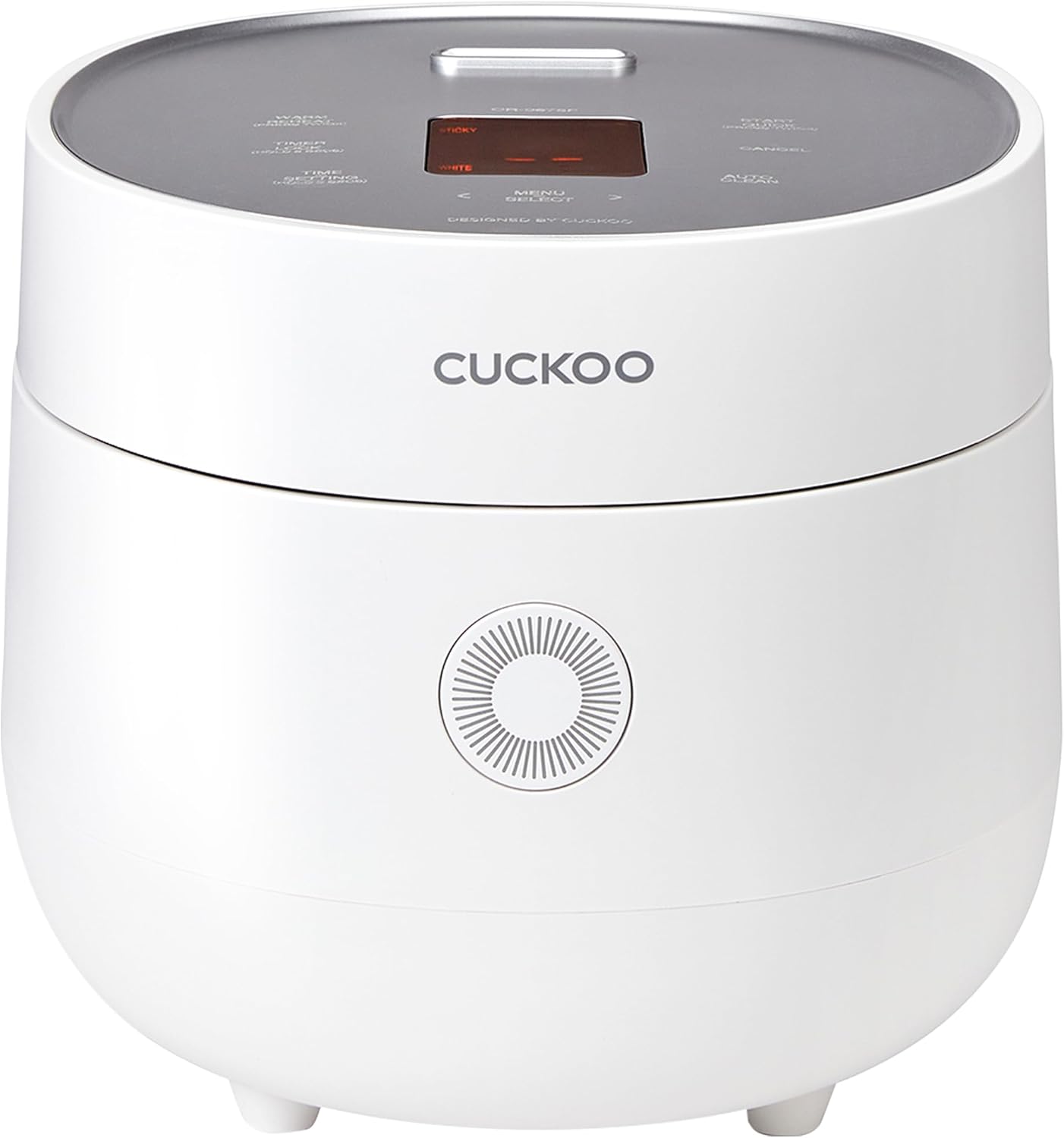
Rice is a staple food for billions of people around the world, yet achieving consistently well-cooked rice at home can be surprisingly tricky. Too much water, too little time, or an inconsistent heat source can turn a simple pot of rice into a mushy or undercooked disappointment. This is where dedicated rice cookers come into play, and specifically, models equipped with “Micom” technology, such as the CUCKOO CR-0675FW, aim to take much of the guesswork out of the process.
In this article, we’ll explore what this particular rice cooker offers, how Micom and fuzzy logic technology function, practical ways to use the appliance, and who might find it useful in their kitchen. This is intended as an informational overview to help you understand the product’s capabilities so you can decide whether it aligns with your cooking habits and household needs.
What Is a Micom Rice Cooker, Exactly?
Before diving into the specifics of this model, it helps to understand the terminology. “Micom” is short for “microcomputer,” referring to the small onboard computer chip that governs the cooking process. Unlike basic rice cookers that operate with a simple on/off switch and a single heating element, Micom-equipped units use sensors to monitor variables like temperature and cooking time throughout the process, then make micro-adjustments as needed.
This is often paired with what’s called “fuzzy logic” technology, a term borrowed from computer science that refers to a system’s ability to make decisions based on imprecise or variable inputs rather than fixed, rigid instructions. In the context of rice cooking, fuzzy logic allows the appliance to respond to differences in rice type, water ratio, and even ambient temperature, adjusting heat intensity and cooking duration accordingly rather than following one static program regardless of conditions.
The result, in theory, is a more adaptive cooking process that can account for natural variation in ingredients and environment, rather than assuming every batch of rice behaves identically.
Key Features of the CUCKOO CR-0675FW
Capacity Suited for Small to Medium Households
This model is rated for 6 cups of uncooked rice, which typically yields around 12 cups of cooked rice. This capacity range tends to work well for individuals, couples, or small families, and can also accommodate occasional entertaining without requiring multiple cooking cycles.
Nonstick Inner Pot
The inner cooking pot features a nonstick coating, which serves a couple of practical purposes. First, it can help prevent rice from sticking stubbornly to the bottom and sides, which is a common frustration with lower-quality cookers. Second, a nonstick surface generally simplifies cleanup, since food residue is less likely to bond tightly to the pot’s surface during the cooking or keep-warm cycles.
Nine Menu Options
Rather than being limited to a single “rice” setting, this cooker includes nine distinct menu functions. While exact configurations can vary, options like these commonly include settings for white rice, brown rice, mixed rice, porridge, and other grain-based dishes. Having multiple presets allows the appliance to apply different time and temperature profiles depending on what’s being cooked, since brown rice, for instance, generally requires a longer cooking time and different moisture handling than white rice.
Quick Rice Mode
For situations where time is limited, a Quick Rice mode is included. This setting is designed to shorten the overall cooking cycle, which can be useful on busy weeknights or when a meal needs to come together faster than the standard cycle allows. It’s worth noting that quick-cook settings often involve some trade-offs in texture compared to the standard cycle, so this mode tends to be best reserved for time-sensitive situations rather than everyday use if you’re particularly attentive to rice texture.
Auto Clean Function
Cleaning a rice cooker’s inner components, particularly the steam vent and lid area, can be one of the more tedious aspects of ownership. An auto clean feature is intended to help address residue buildup in these areas, potentially reducing the manual effort required to keep the unit hygienic over time. This doesn’t eliminate the need for regular cleaning altogether, but it may help make the process more manageable.
Fuzzy Logic Temperature Control
As mentioned earlier, the fuzzy logic system is central to how this cooker operates. It continuously monitors internal conditions and adjusts heating patterns in response, which is intended to help produce more evenly cooked rice across different rice varieties and quantities, rather than relying on a single fixed cooking program.
How It Can Be Used
A rice cooker like this one extends beyond just steaming plain white rice, and understanding its range of uses can help you get more value from the appliance.
Everyday rice preparation. The most obvious use is cooking rice as a side dish or base for meals, whether that’s for stir-fries, curries, grain bowls, or simple accompaniments to proteins and vegetables.
Alternative grains. Depending on the menu settings available, users may be able to prepare brown rice, mixed grain blends, or other whole grains that typically require different water ratios and cooking times than standard white rice.
Porridge or congee. Many Micom cookers, including models in this general category, often include a porridge setting, which can be useful for preparing softer, more liquid rice dishes common in various Asian cuisines, or for simple breakfast porridges.
Meal timing flexibility. Some rice cookers in this category include delayed start or timer functions, which can allow users to prepare rice in advance so that it’s ready at a specific time, such as when arriving home from work. It’s worth checking the specific manual for this unit to confirm which functions are included and how they operate.
Keeping rice warm. After the cooking cycle completes, most Micom rice cookers automatically shift into a warming mode, which can help keep rice at a safe, palatable temperature for a period of time without continuing to cook or dry it out excessively.
Who May Find This Appliance Useful
This type of rice cooker tends to appeal to a fairly broad range of users, though certain groups may find it particularly well-suited to their needs:
- Individuals and small households who regularly eat rice as part of their diet and want a reasonably capacity-appropriate appliance rather than an oversized unit designed for large families.
- Home cooks exploring different grains and dishes who appreciate having multiple preset options rather than manually adjusting cooking times and water ratios for each new type of rice or dish.
- Busy individuals who value the option of a quicker cooking cycle for time-constrained days, alongside the standard cycle for when time isn’t a constraint.
- People who prioritize convenience in cleanup, given the nonstick pot and auto clean function, which may reduce some of the friction involved in maintaining kitchen appliances.
- Those transitioning from basic rice cookers who are looking for more consistent results and additional functionality without moving into higher-end pressure cooker territory.
That said, this isn’t necessarily the right fit for everyone. Larger families or those who cook large batches of rice frequently may want to look at cookers with greater capacity. Similarly, individuals seeking pressure-cooking functionality specifically, rather than standard steam-based cooking, would want to research whether this falls within their needs, as Micom and pressure cooker technologies are generally distinct categories.
Important Things to Consider
When evaluating any rice cooker, including this model, there are a few practical points worth thinking through:
Countertop space. Rice cookers of this capacity typically have a moderate footprint, but it’s still worth measuring your available counter or storage space beforehand, particularly if your kitchen has limited room.
Water-to-rice ratios still matter. While fuzzy logic technology can help adjust for variation, using roughly appropriate water ratios for the type of rice being cooked remains important for optimal results. Most rice cookers include measurement markings inside the pot to help guide this process.
Maintenance expectations. Even with an auto clean feature, periodic manual cleaning of the lid, steam vent, and inner pot is generally recommended to maintain hygiene and performance over the appliance’s lifespan. Reviewing the care instructions in the included manual can help extend the unit’s usable life.
Learning the menu functions. With nine menu options, there may be an initial learning curve in understanding which setting corresponds to which type of dish or grain. Taking time to read through the manual early on can help you make full use of the available functions rather than defaulting to just one or two settings.
Electrical requirements. As with any electric kitchen appliance, it’s worth confirming that the unit’s power requirements are compatible with your home’s electrical setup, particularly if you’re purchasing from outside your home country or region.
How This Category Compares to Other Rice Cooking Methods
To provide some broader context, it may help to understand how Micom rice cookers generally compare to other common rice-cooking approaches, without singling out specific competing products.
Basic (non-Micom) rice cookers typically operate with a simple mechanical switch that shifts from “cook” to “warm” once a certain temperature is reached, usually when the water has evaporated. These units tend to be more affordable and simpler to operate, but they generally offer less flexibility for different rice types and may produce less consistent results across varying rice quantities.
Pressure-based electric cookers (often multi-function units) use sealed pressure cooking to reduce cooking times and can sometimes yield different textures, particularly for tougher grains or legumes. However, these units usually involve a different operating process, including pressure release steps, and may have a steeper learning curve for some users.
Stovetop rice cooking remains the most manual approach, requiring active monitoring of heat levels and timing. This method offers full control but leaves more room for inconsistency, especially for those less experienced with rice preparation.
Micom rice cookers, as a category, generally aim to strike a balance: offering more consistency and convenience than basic cookers or stovetop methods, without the added complexity of pressure-based systems. They tend to suit users who want a “set it and let the appliance manage the details” experience across a range of rice and grain types.
Frequently Asked Questions
Does fuzzy logic technology guarantee perfect rice every time? No cooking appliance can promise flawless results in every situation, since outcomes can still be influenced by factors like rice freshness, water quality, and how closely measurement guidelines are followed. Fuzzy logic technology is designed to adapt within a range of conditions, which can improve consistency, but it works alongside proper usage rather than replacing it entirely.
Can this rice cooker be used for grains other than rice? Depending on the specific menu options included, some Micom rice cookers can accommodate grains like quinoa or certain mixed grain blends, in addition to porridge settings. It’s worth reviewing the included instruction manual to understand the full scope of what’s supported on this particular model.
How long does the auto clean function take? Auto clean cycle durations can vary by model and manufacturer. Checking the product manual or manufacturer’s official documentation will provide the most accurate information specific to this unit.
Is the inner pot dishwasher safe? Nonstick coatings can sometimes be sensitive to dishwasher detergents and high heat over repeated cycles. Many manufacturers recommend hand-washing nonstick cookware components to help preserve the coating’s longevity, though it’s best to consult the specific care instructions provided with this cooker.
What’s the difference between the “quick rice” mode and the standard cooking cycle? Quick rice modes generally shorten the cooking time by adjusting heat application, which can be convenient when time is limited. However, standard cycles often allow rice to cook more gradually, which some people feel produces a more even texture. The best choice may depend on your particular priorities on a given day.
Does the cooker need to be monitored during cooking? Micom rice cookers are generally designed to operate automatically once started, transitioning to a warming mode after the cooking cycle completes. That said, it’s always good practice to follow the manufacturer’s safety guidelines regarding appliance placement and supervision, particularly during initial use.
Final Thoughts
The CUCKOO CR-0675FW represents a fairly full-featured entry into the Micom rice cooker category, combining multiple menu presets, a nonstick inner pot, a quicker cooking option, and an auto clean function aimed at simplifying maintenance. For individuals or small households looking to move beyond basic rice cookers or manual stovetop methods, this type of appliance can offer a more adaptable and consistent approach to preparing rice and other grain-based dishes.
As with any kitchen appliance purchase, it’s worthwhile to consider your typical household size, the variety of dishes you’re likely to prepare, and how much emphasis you place on features like quick cooking or simplified cleanup. Reviewing the manufacturer’s official specifications and included documentation can also help ensure the unit aligns with your expectations before use.
Leave a Reply