Introduction
For many households, rice is more than a side dish — it’s a daily staple that anchors entire meals, from simple weeknight dinners to elaborate weekend spreads. Getting it right consistently, however, isn’t always as simple as it sounds. Water ratios, cooking times, and stovetop attention can turn a basic task into a small chore, especially for people juggling busy schedules or cooking for just one or two people.
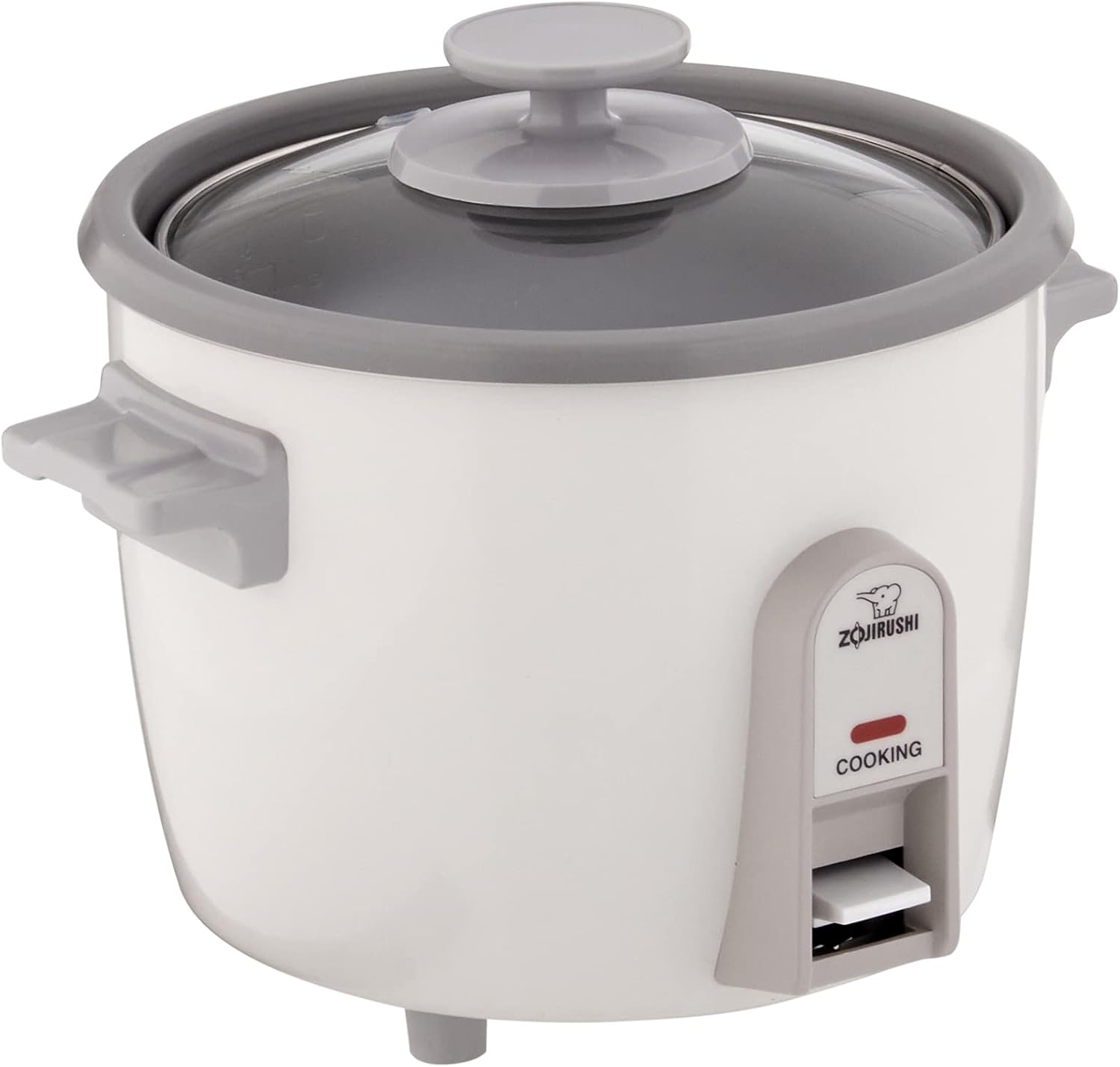
This is where compact electric rice cookers, like the Zojirushi 3 Cup Rice Cooker/Steamer in white, tend to fit into the picture. Designed with smaller households in mind, this appliance is part of a long lineage of Japanese-engineered kitchen tools that prioritize simplicity, consistency, and ease of cleanup. In this article, we’ll walk through what this type of rice cooker generally offers, how it might be used in a typical kitchen, who tends to benefit most from a compact model like this, and what factors are worth thinking about before adding one to your countertop lineup.
This piece is meant to be informational rather than promotional. We won’t be making exaggerated claims or pretending to have used the product ourselves — instead, the goal is to give you a clear, balanced picture so you can decide whether it aligns with your own cooking habits and kitchen needs.
What Is the Zojirushi 3 Cup Rice Cooker/Steamer?
Zojirushi is a Japanese company with a long history of producing kitchen appliances, particularly rice cookers, water boilers, and thermal food containers. The 3 Cup Rice Cooker/Steamer is one of the brand’s smaller offerings, generally marketed toward individuals, couples, or small families who don’t need the larger capacity of 5.5-cup, 6-cup, or 10-cup models that Zojirushi and other brands also produce.
The “3 cup” designation typically refers to uncooked rice measured in the cooker’s included measuring cup, which is often slightly smaller than a standard U.S. measuring cup — a detail worth keeping in mind if you’re trying to gauge how much cooked rice a single batch will yield. Once cooked, 3 cups of uncooked rice usually expands to produce a noticeably larger volume, often enough to serve a handful of people depending on portion sizes and what else is on the table.
The white finish gives it a clean, understated look that tends to blend into most kitchen counters without drawing much visual attention, which can be a practical consideration for those with limited counter space or a preference for minimalist aesthetics.
Key Features
While specific configurations can vary slightly depending on the exact model version, compact Zojirushi rice cookers in this category generally share a set of core characteristics worth understanding.
Automatic Cooking and Keep-Warm Function
One of the defining features of most Zojirushi rice cookers is the automatic shut-off or transition to a “keep warm” mode once the rice has finished cooking. Rather than requiring you to monitor a pot or set a timer, the appliance is generally designed to sense when the cooking process is complete and adjust accordingly. This keep-warm function can be particularly useful for households where mealtimes don’t always align perfectly — rice can often stay at a serving-ready temperature for an extended period without becoming dry or overcooked.
Simple, Non-Fuzzy-Logic Operation
Unlike some of Zojirushi’s higher-end induction heating or fuzzy-logic models, the smaller 3-cup version in this line tends to use a more straightforward heating mechanism. This generally means fewer buttons, fewer settings, and a more intuitive user experience — which can be appealing for those who simply want consistent rice without navigating multiple menu options.
Steaming Capability
As the name suggests, this appliance typically functions as both a rice cooker and a steamer. Many models in this category include or are compatible with a steaming basket or tray, allowing users to steam vegetables, dumplings, or other foods simultaneously or separately from the rice-cooking process. This dual functionality can make the appliance more versatile than a single-purpose rice cooker, especially in kitchens where counter space or storage is limited.
Nonstick Inner Cooking Pan
Most compact Zojirushi models include a nonstick-coated inner pan, which is generally removable for cleaning. A nonstick surface can help prevent rice from sticking or forming a stubborn crust at the bottom, making post-meal cleanup comparatively quicker and less labor-intensive than cooking rice in an uncoated pot on the stove.
Compact, Space-Conscious Design
Given its smaller capacity, this rice cooker is generally built with a more compact footprint compared to larger household models. This can be a meaningful advantage for apartment kitchens, dorm rooms, RVs, or offices where counter and storage space is at a premium.
Retractable or Simple Cord Design
Many Zojirushi models incorporate a cord storage or management feature, helping keep the countertop tidy when the appliance isn’t in use. This is a small but often appreciated detail for those who prioritize a clean, clutter-free kitchen aesthetic.
How It Can Be Used
A compact rice cooker like this one isn’t limited to plain white rice, even though that’s often its primary use case. Understanding the range of ways it can be incorporated into everyday cooking may help you decide whether it fits your lifestyle.
Everyday rice preparation. The most obvious use is cooking everyday staples like white rice, which pairs with a huge range of cuisines — from stir-fries and curries to simple protein-and-vegetable dinners. Because the appliance is designed to automate the process, it can free up stovetop space and mental bandwidth for preparing other parts of a meal simultaneously.
Brown rice and other grains. While white rice is generally the default setting on simpler models, many users also experiment with brown rice, though it typically requires a longer cooking time and a different water ratio. It’s worth checking the included instruction booklet, since grain type can significantly affect results.
Steaming vegetables or proteins. If the steaming basket accessory is included or compatible, this appliance can be used to steam items like broccoli, carrots, dumplings, or fish while rice cooks below — a practical way to prepare a more complete meal without dirtying multiple pots.
Meal prep for one or two people. Because of its smaller 3-cup capacity, this model tends to suit those who don’t need to cook large batches. It can be a useful tool for portioning out consistent servings across a few days of meal prep, particularly for people who eat rice regularly as part of their diet.
Simple one-pot meals. Some users experiment with cooking rice alongside diced vegetables, seasonings, or proteins directly in the pot, effectively creating a simplified rice-and-topping dish in a single vessel. Results can vary, and it’s generally advisable to follow guidance from the manufacturer or trusted recipe sources when trying mixed-ingredient cooking in a rice cooker not specifically designed for that purpose.
Reheating and holding rice at serving temperature. The keep-warm function can also be used independently of active cooking, allowing previously cooked rice to be held at a warm, ready-to-serve temperature for a period of time — useful for staggered mealtimes or entertaining guests.
Who It May Be Suitable For
Because kitchen appliances aren’t one-size-fits-all, it’s worth considering whether this particular model aligns with your household’s needs.
Individuals and couples. The 3-cup capacity is generally well-matched to the needs of one or two people, particularly those who eat rice a few times a week rather than daily in large quantities.
Small families with modest rice consumption. Families of three or four who don’t eat rice as a primary staple at every meal may find the capacity sufficient, though those who eat rice more frequently or in larger portions might want to consider a larger-capacity model instead.
People in smaller living spaces. Students, apartment dwellers, and those in shared housing often gravitate toward compact appliances that don’t dominate limited kitchen counters or cabinets.
Those new to rice cooking. Because the appliance largely automates the process, it can be a helpful entry point for people who have historically struggled with stovetop rice — whether due to burning, uneven texture, or inconsistent water ratios.
Secondary or travel use. Some people purchase a smaller rice cooker as a secondary appliance for a vacation home, RV, office kitchen, or dorm room, where a full-size model would be impractical.
On the other hand, those who regularly cook for larger groups, host frequent gatherings, or rely on rice as a dietary staple in large quantities may find the 3-cup capacity limiting and might want to explore Zojirushi’s larger offerings or compare capacities across brands before deciding.
Important Things to Consider
No kitchen appliance is a perfect fit for every household, and it’s worth thinking through a few practical details before making a decision.
Capacity Realities
It’s easy to underestimate how quickly a 3-cup capacity can be reached, particularly since the measuring cup provided is often smaller than a standard U.S. cup (closer to 180ml rather than 240ml). If you’re cooking for a larger household or frequently want leftovers, it may be worth calculating your typical rice consumption before assuming this size will comfortably meet your needs.
Simpler Feature Set Compared to Premium Models
Compact models in this line generally forgo some of the more advanced features found in Zojirushi’s higher-end induction heating or micom (microcomputer-controlled) rice cookers, such as multiple grain-specific settings, delayed-start timers, or more nuanced heating algorithms. If you’re looking for a highly customizable cooking experience with settings for sushi rice, porridge, or specific brown rice programs, it may be worth researching whether this simpler model includes those options or whether a more advanced version would better suit your needs.
Cleaning and Maintenance
While the nonstick inner pan is generally designed to simplify cleanup, like most nonstick cookware, it benefits from gentle handling — avoiding metal utensils or abrasive scrubbing pads can help preserve the coating over time. It’s also worth checking whether the lid, steaming tray, and other components are dishwasher-safe or require hand washing, as this can vary by model.
Countertop and Storage Space
Even compact rice cookers take up some permanent or semi-permanent counter space, particularly if used frequently. It’s worth measuring your intended placement area and considering cord storage and ventilation needs before purchasing.
Voltage and Regional Compatibility
If you’re purchasing this appliance for use outside the country of original sale, it’s important to double-check voltage compatibility, plug type, and whether the specific model version is intended for the electrical standards in your region.
Warranty and Authenticity
As with many popular kitchen brands, it’s generally a good idea to purchase from authorized retailers to ensure you’re receiving manufacturer warranty coverage and genuine parts, particularly for replacement inner pans or accessories down the line.
Comparison of General Categories
Rather than comparing this specific product to named competitors, it can be more useful to understand how compact rice cookers like this one generally compare to other broad categories of rice-cooking equipment.
Compact electric rice cookers vs. larger-capacity electric rice cookers. Smaller-capacity cookers, like the 3-cup model discussed here, tend to prioritize space efficiency and simplicity over batch size. Larger-capacity models (5.5 cups, 10 cups, and beyond) are generally better suited to bigger households, entertaining, or meal-prepping in bulk, but they take up more storage and counter space and may cost more to operate for smaller portions.
Basic rice cookers vs. fuzzy-logic or induction heating models. Basic rice cookers generally use straightforward heating elements and simple on/off or warm-mode functionality. Fuzzy-logic and induction heating models, often found in Zojirushi’s premium lineup, use more advanced technology to adjust cooking time and temperature based on factors like rice type, quantity, and even ambient conditions. These advanced models tend to offer more precise results and greater versatility across grain types, but they usually come at a higher price point and with a steeper learning curve for using all the available settings.
Electric rice cookers vs. stovetop rice cooking. Stovetop methods require more active attention — monitoring water levels, adjusting heat, and timing — but don’t require dedicated appliance storage. Electric rice cookers automate much of this process, generally trading some hands-on control for convenience and consistency.
Rice cookers vs. multi-cookers (e.g., pressure cookers with rice settings). Multi-cookers often include a rice-cooking function alongside other capabilities like pressure cooking, slow cooking, or sautéing. These can be more versatile for households wanting a single appliance for multiple tasks, but dedicated rice cookers are generally simpler to operate and may produce more consistent rice texture, since that’s their primary design focus.
Understanding these broader categories can help clarify where a compact, single-purpose model like the Zojirushi 3 Cup Rice Cooker/Steamer fits into the wider landscape of rice-cooking equipment, and whether its particular balance of simplicity and capacity aligns with your household’s cooking habits.
Frequently Asked Questions
How much rice does the 3-cup capacity actually yield once cooked? Because rice generally expands significantly during cooking, 3 cups of uncooked rice (measured with the included cup) can yield a noticeably larger volume of cooked rice — often enough for several servings, depending on portion size and what else is served alongside it. Exact yields can vary based on rice type and how the rice absorbs water during cooking.
Is the included measuring cup the same as a standard U.S. cup? Typically, no. Many rice cooker measuring cups are calibrated closer to 180ml rather than the standard 240ml U.S. cup. It’s generally recommended to use the cup provided with the appliance rather than a separate measuring cup, since the water-to-rice ratios in the instructions are usually calibrated to match.
Can this rice cooker be used for grains other than white rice? Many compact rice cookers can handle a range of grains, including brown rice, though cooking times and water ratios often differ. It’s advisable to consult the included instruction manual for specific guidance, as results can vary depending on the grain and the model’s settings.
Does it come with a steaming basket? Steaming trays or baskets are commonly included with rice cooker/steamer combination models, though it’s worth verifying the specific included accessories for this exact version before purchasing, since packaging and included items can occasionally vary.
How long does it typically take to cook a batch of rice? Cooking times vary depending on rice type, quantity, and the specific appliance, but compact electric rice cookers generally take somewhere in the range of 20 to 45 minutes for a standard batch of white rice, with the keep-warm function activating automatically afterward.
Is it easy to clean? The nonstick inner pan is generally designed to be removable and relatively easy to wipe down or wash, though care should be taken to avoid abrasive scrubbing tools that could damage the nonstick coating over time.
Where can I find the most accurate and current specifications? Because product details, included accessories, and specifications can be updated over time, it’s a good idea to review the most current listing and manufacturer information directly before making a purchasing decision.
Conclusion
Choosing a rice cooker often comes down to matching an appliance’s capacity and feature set to your actual cooking habits, rather than simply opting for the most feature-packed or largest model available. The Zojirushi 3 Cup Rice Cooker/Steamer, as part of the brand’s more compact lineup, generally appeals to individuals, couples, and small households who value simplicity, consistent results, and a space-conscious design over the more elaborate settings found in larger or higher-end rice cookers.
Its automatic cooking and keep-warm functionality, combined with steaming capability, can make it a versatile addition to a smaller kitchen — particularly for those who eat rice regularly but don’t need to prepare large batches at once. At the same time, it’s worth being realistic about its capacity limitations, the simplicity of its feature set compared to premium models, and practical factors like measuring cup sizing and maintenance.
Leave a Reply